

Earlier, I listed the crypto options that buyers have for paying their “toll” at the Strait of Hormuz. Bitcoin, and the Chinese Yuan are the two most resistant to being frozen or confiscated by the US, which is a vital consideration for Iran. However the US dollar stablecoin toll payments may present on opportunity for Trump, Witkoff and/or his Treasury Secretary to profit, and at the same time preserve a Petrodollar that has been put at risk by this sudden turn of events.
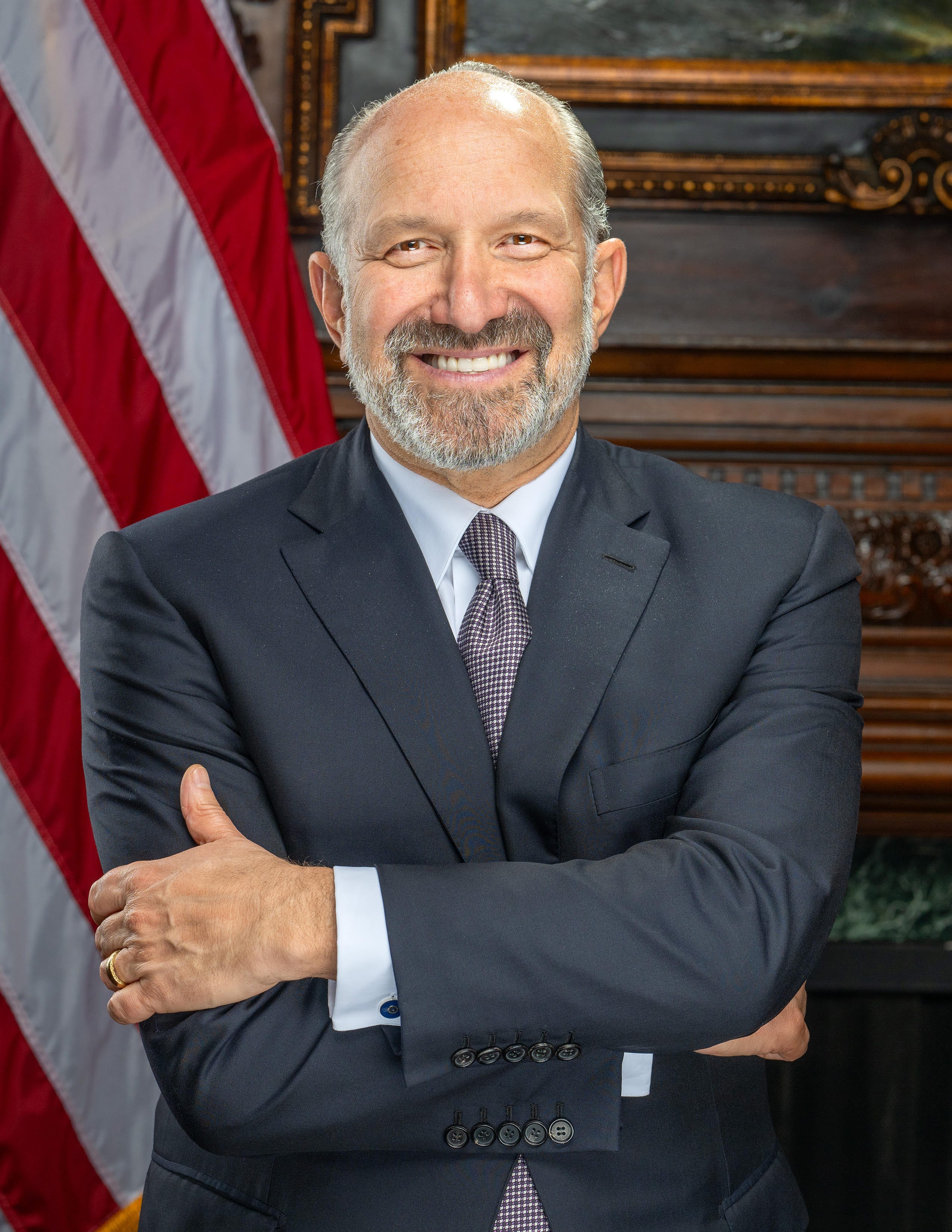

Administrative figures, particularly Treasury Secretary Howard Lutnick may have the best angle to profiting off the digital payment of the tolls. Donald Trump also has an angle via his family’s company — World Liberty Financial — for which Steve Witkoff and his son stand to gain.
In both cases, Trump and Lutnick would have to work around laws preventing payment to sanctioned parties like Iran; and Iran would have to quickly convert the USD funds into some other currency before the US could detect and block the transaction as part of a digital game of cat and mouse.
“Hosseini stated that the payment window would last only seconds, specifically to prevent the funds from being traced or seized under international sanctions.” (Forbes)
“The enforcement challenge is compounded by a basic identification gap. The intermediary currently administering toll collection on behalf of the IRGC (Iranian Revolutionary Guard Corp) remains publicly unidentified, according to TRM Labs. OFAC (Office of Foreign Assets Control) cannot designate what it cannot name, and crypto transactions settle before traditional intelligence channels can intervene.” (Forbes)
“But enforcement depends on bilateral agreements that the law directs Treasury to negotiate within two years. Those agreements do not yet exist. In the Middle East, where stablecoin volumes are among the highest globally and OTC desks in Dubai function as critical liquidity nodes for conversion chains that sanctions authorities struggle to trace, the gap between statutory aspiration and operational enforcement is substantial.” (Forbes)
The IRGC (Iranian Revolutionary Guard Corps) is a designated foreign terrorist organization by the U.S. Any direct involvement by a U.S.-based company (like WLF) in facilitating their revenue would likely trigger severe Office of Foreign Assets Control (OFAC) sanctions and criminal charges.
Conflict between Global Reserve Currency Ubiquity and Sanction Controls
This whole scenario exposes a contradiction between the US wanting to extend the dollar into the digital word and Treasury wanting to sanction actors the US has a conflict with. If the US sanctions Iran, it loses the Gulf Petrodollar franchises and its hold on the global reserve currency, but if it eliminates its sanctions on Iran it foregoes its control over rivals.
The US can’t tell all purchasers of Gulf oil not to do business with a party that the US doesn’t like because they control all the oil in the Persian Gulf via the Strait. Twenty percent of the world’s oil is too vital a concert for the world’s consumers to forego.
US Crypto Options
Here’s is some more detail about two US crypto companies:
Tether (New Petrodollar)
The market leader is Tether (USDT), which is a stablecoin that enables payers to digitally pay in dollars. These digital dollars must be backed by treasury bills, extending the 1974 Petrodollar architecture that Henry Kissinger negotiated with the Saudis.
Treasury Secretary Howard Lutnick has very close ties to Tether. His company —Cantor Fitzgerald — manages Tether’s $122 billion Treasury bond portfolio and holds a $600 convertible bond, entitling it the right to acquire a 5% stake in Tether.
An argument could be made that the restrictions on Iran should be lifted to preserve the Petrodollar. If this happens, Lutnick, Trump, and Witkoff stand to profit!
World Liberty Financial:
The Trump family started a rival stablecoin (USD1) which dropped 75% from its all-time high by mid-2026. Their company World Liberty Financial also has significant conflicts of interest:
Donald J. Trump: Holds the title of “Chief Crypto Advocate.”
Eric & Donald Trump Jr.: Serve as “Web3 Ambassadors.”
Barron Trump: Listed as the “DeFi Visionary.”
Steve & Zach Witkoff: Close family allies; Zach is a co-founder and president of World Liberty Trust.
DETAIL:
What is Treasury Secretary Howard Lutnick’s relationship to Tether? (Read detail)
What is the name of the Crypto company associated with the Trump family?
If Iran accepts payments by Tether, how likely is it that World Liberty Financial is able to receive fees or otherwise profit from Tolls charged for the Strait of Hormuz made using Tether (USDT) or other USD tokens?
I understand that Iran prefers Bitcoin because it can’t be confiscated, so long as they don’t use a custodian. What strategy does Iran have to avoid having their USD Crypto frozen or confiscated? ( Read detail)
What is the history of World Liberty Financial? How much of a stake do the various Trump family members hold? (Read detail)